Can Foreigners Buy Apartments in Thailand?
 by Stay Pattaya Team on June 19, 2026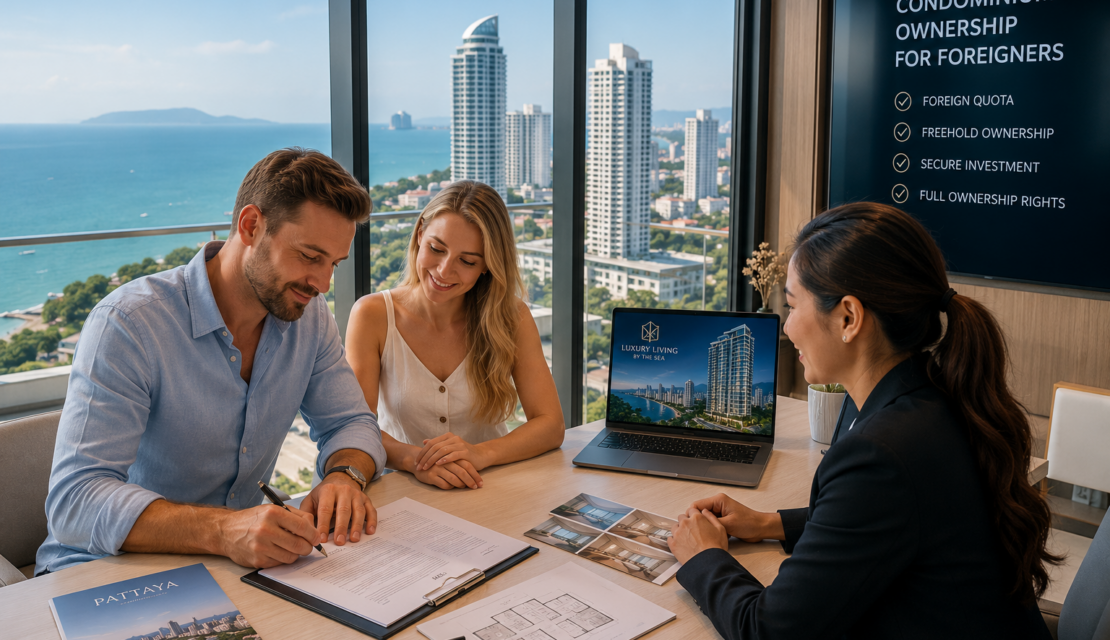
Can Foreigners Buy Apartments in Thailand?
One of the most common questions foreign buyers ask is:
Can foreigners buy apartments in Thailand?
The short answer is:
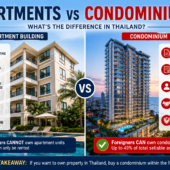
Yes, foreigners can buy condominium units in Thailand, but they generally cannot purchase apartment units as individual properties.
The confusion comes from the fact that the words “apartment” and “condominium” are often used interchangeably in everyday conversation. However, under Thai law, they are very different types of real estate.
Understanding the Difference
When foreigners say they want to buy an “apartment” in Thailand, they are usually referring to a condominium unit.
A condominium is a building registered under Thailand’s Condominium Act, where each unit has its own title deed and can be individually owned.
An apartment building, on the other hand, is usually owned by a single individual or company, and individual units cannot be sold separately.
Can Foreigners Own a Condominium?
Yes.
Thailand allows foreigners to own condominium units directly in their own name.
This is one of the few forms of real estate ownership that foreign nationals can legally hold in Thailand.
To qualify:
- The condominium must have available foreign ownership quota.
- The foreign ownership quota cannot exceed 49% of the building’s total sellable area.
- Funds used for the purchase must usually be transferred from overseas in foreign currency.
If these conditions are met, the unit can be registered directly in the buyer’s name at the Land Office.
What Is a Foreign Quota Unit?
Every condominium in Thailand has a limited number of units that can be owned by foreigners.
These units are commonly advertised as:
- Foreign Name
- Foreign Ownership
- Foreign Quota
When purchasing one of these units, the ownership is registered directly under the foreign buyer’s name.
Can Foreigners Buy Apartment Buildings?
Foreigners generally cannot own land in Thailand directly.
Since apartment buildings are usually sold together with the land on which they stand, foreign ownership becomes significantly more complicated.
Such investments are typically structured through:
- Thai companies
- Long-term lease agreements
- Investment partnerships
- BOI-promoted projects (in limited circumstances)
Professional legal advice is strongly recommended before pursuing these options.
What Documents Are Needed?
When purchasing a condominium under foreign ownership, buyers typically need:
- Passport
- Purchase agreement
- Foreign Exchange Transaction Form (FET)
- Proof of overseas funds transfer
- Land Office transfer documents
The exact requirements may vary depending on the transaction.
Why Pattaya Is Popular Among Foreign Buyers
Pattaya remains one of Thailand’s most attractive destinations for foreign property investors.
Popular condominium projects include:
- Copacabana Jomtien
- The Riviera Group developments
- Grand Florida
- Arcadia Beach Continental
- Centric Sea
- The Base Central Pattaya
These projects often offer units already registered within the foreign quota, making the purchase process straightforward for international buyers.
Final Thoughts
Foreigners can legally buy and own condominium units in Thailand, provided the unit is within the building’s foreign ownership quota.
However, apartment units in traditional apartment buildings cannot normally be purchased separately.
If you are considering buying property in Pattaya, it is important to verify the ownership structure before making a decision.
A qualified real estate agent and legal advisor can help ensure that your purchase complies with Thai property regulations and protects your investment.